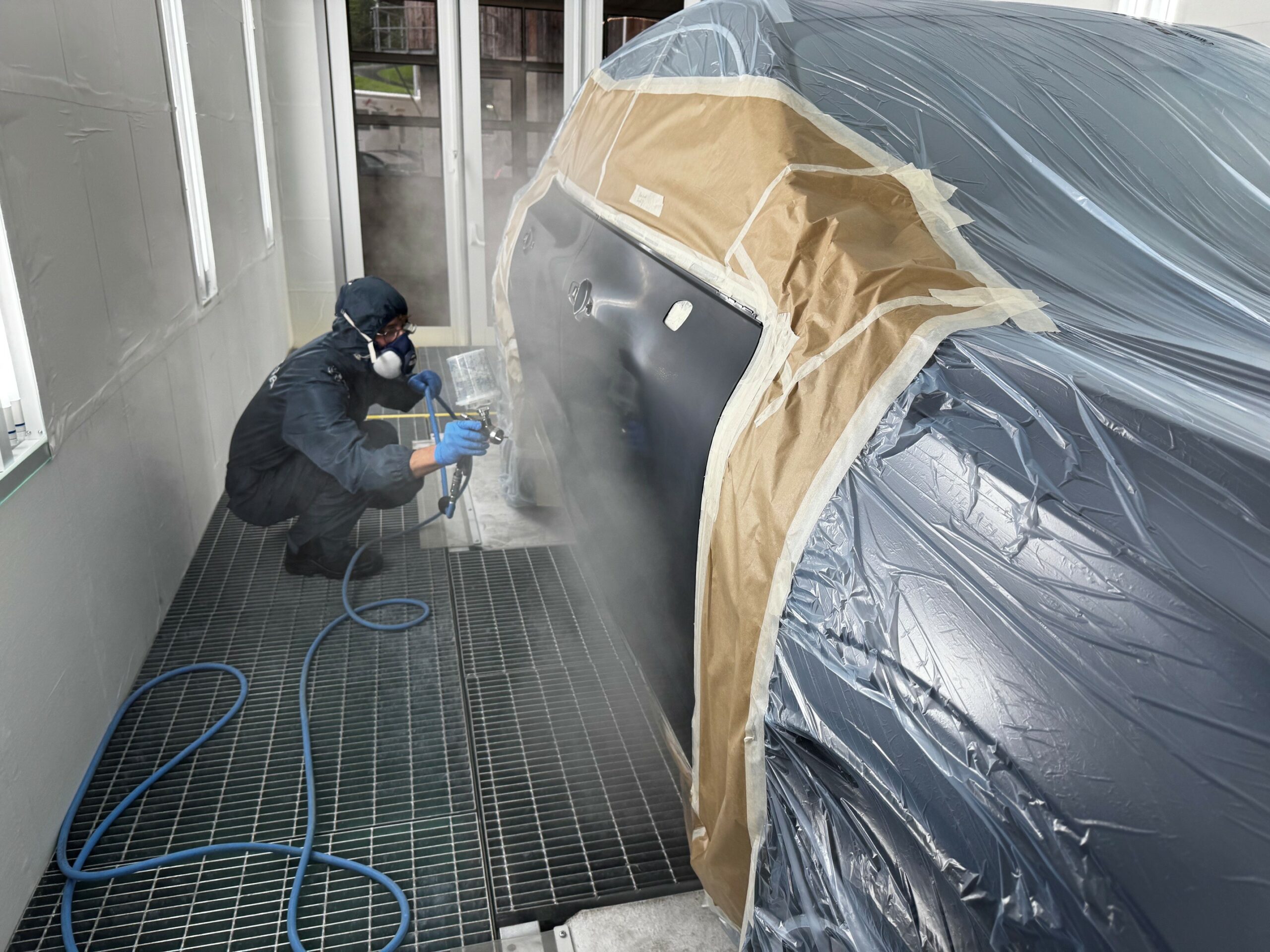
A vehicle in good condition is not only safer, but also more economical and durable. Choosing a Volvo means choosing quality – but even high-quality vehicles need regular maintenance to remain reliable. Whether for everyday use, business trips or family holidays: a technically flawless car ensures safety and driving comfort. This article shows what is important when it comes to maintaining your Volvo.
Why is regular maintenance important?
If you consistently maintain your vehicle (or have it maintained), you reduce the risk of accidents and protect your car from expensive consequential damage. Only if all vehicle parts are regularly checked and serviced will your car reliably stand by you in everyday life.
This is primarily about safety: even minor defects, such as worn brake pads or a faulty light, can have serious consequences in an emergency. During a service, experts check safety-relevant components and replace them if necessary. This means you can drive with a good feeling – regardless of the weather, route or time of day.
The service life of your vehicle also depends to a large extent on maintenance. If you neglect maintenance, this can lead to increased wear and tear and, in the worst case, to major engine damage. Take your car to the garage regularly to prevent such problems and save money in the long term.
A serviced car works more efficiently. This not only reduces fuel consumption, but also pollutant emissions. Clean filters, intact sensors and optimally adjusted engines ensure that your vehicle is more economical in everyday driving. For older models in particular, regular maintenance can be the deciding factor in whether your vehicle passes the next MOT – and this protects the environment and your wallet in the long term.
Maintenance checklist
This maintenance checklist gives you an overview of all relevant points so that you can enjoy your vehicle for a long time. The most important points include checking and changing all operating fluids: Engine oil, brake fluid, coolant, windscreen wiper fluid and, if necessary, transmission oil. The oil change with filter replacement forms the backbone of every service, because clean oil protects the engine and extends its service life.
- Brake system: Brake pads, brake discs and brake fluid must be checked for wear, function and leaks. The handbrake should also be tested and adjusted if necessary. Tyres are a key safety factor: tread depth, tyre pressure, age and condition – including the spare wheel – should be on every checklist.
- Lighting: Headlights, tail lights, indicators, brake lights and licence plate lights must be complete and in perfect working order. You should also have the interior and dashboard lighting checked. The battery plays a key role in reliability and starting behaviour. Its state of charge, terminals and housing should be checked regularly.
- Visual inspection of the bodywork for rust, dents and paint damage is important to avoid major repairs. The windscreen wipers, including the washer system and nozzles, must be working properly and the wiper blades should be free of cracks and streaks. The air filter and – if fitted – the cabin filter must be checked regularly and changed if necessary to maintain engine performance and air quality.
- The steering and chassis also belong on the list. This includes checking play, seals, shock absorbers and axles. The exhaust system should be checked for leaks and tightness, as leaks can lead to increased emissions or even hazards. Belts such as V-belts or timing belts must be checked for cracks, wear and tension, as they are responsible for the function of many auxiliary units.
- Electronics and on-board computers should be checked for error messages, warning lights and the function of safety-relevant systems such as ABS or ESP. In modern vehicles, the condition of sensors and software updates is also relevant.
- It is also advisable to check seat belts, locks, hinges, the first-aid kit (expiry date) and – in gas-powered vehicles – the gas system. In the case of air conditioning systems, the refrigerant should be checked and the function tested. A final look at the service booklet ensures that all maintenance intervals have been adhered to and that no work has been forgotten.
Do you still need to check the oil level manually?
In modern Volvo vehicles, especially models from around 2015 onwards, it is generally no longer necessary to check the oil level manually using a dipstick. These vehicles are equipped with precise oil level sensors that continuously monitor the oil level and inform you via the on-board computer or a warning light if a correction is necessary.
Although manual checks are no longer necessary, regular oil changes remain crucial for the longevity and performance of your engine. Clean oil protects the engine from wear and tear and contributes significantly to efficiency.
If you have any questions about the oil level or the optimal maintenance interval for your specific Volvo model, our car repair shop in Zug will be happy to help you with expert advice and professional service.
Is car and body care important for vehicle maintenance?
Regular car and body care is far more than just cosmetic. It is part of vehicle maintenance and makes a significant contribution to maintaining the value and longevity of your Volvo. A car wash not only protects the appearance of your car, but also protects it from harmful environmental influences such as dirt, road salt, bird droppings and tree resin.
A well-maintained car body prevents rust formation because you can detect and repair minor paint damage or stone chips more quickly with regular checks. Especially in regions with changeable weather or in winter, it is important to wash your car at regular intervals. Have your vehicle inspected at our car workshop in Zug and receive an additional professional recommendation for optimum care.
If you wash and maintain your vehicle regularly, you will not only maintain its functionality but also the driving pleasure and enjoyment of your Volvo.
Why your car workshop in Zug is the right address
At Hüsser & Palkoska, you benefit not only from careful maintenance, but also from many years of experience in dealing with Volvo vehicles. We have been looking after customers in the Zug region for over 20 years – with a trained eye for detail and high quality standards. Our mechanics are specially trained in Volvo models and use the latest diagnostic technology to quickly and accurately recognise sources of faults.Thanks to our transparent price structure, you know right from the start what services you will receive – without any hidden costs. During maintenance, we will provide you with a replacement vehicle on request so that you remain mobile. We can also provide you with expert advice on vehicle care, maintenance intervals or preparing for the MOT.